Hair Extensions from a Certified Hair Loss Specialist
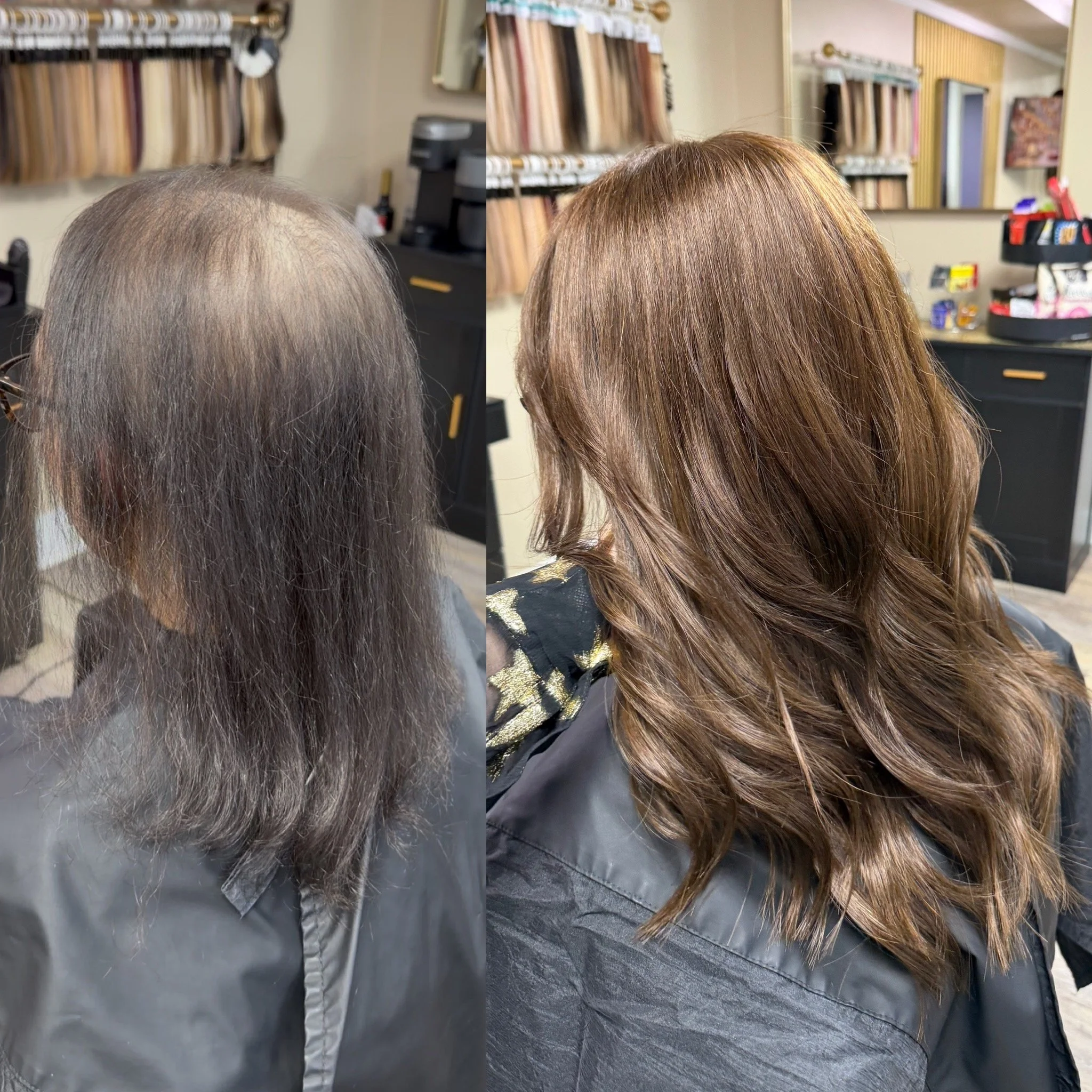
Seeing a hair loss–certified stylist for hair extensions can be the difference between a quick fix and a truly safe, long-term solution for thinning or shedding hair. A specialist understands both the cosmetic side and the health of your scalp and follicles, so your extensions enhance—not harm—what you already have.
Why hair loss training matters
Hair extensions aren’t one-size-fits-all, especially when you’re dealing with thinning, alopecia, postpartum shedding, or medical hair loss. A hair loss–certified stylist is trained to recognize different patterns and causes of hair loss and to choose techniques that do not add unnecessary stress to fragile follicles. Instead of focusing only on length and volume, they prioritize scalp health, realistic expectations, and a long-term plan.
With this extra training, they can also spot red flags - like inflammation, excessive shedding, or scarring - that might need a dermatologist’s attention before any extensions go in. That means you’re not just getting pretty hair; you’re getting a partner who respects the medical side of hair loss as well.
Safer, more strategic extension choices
A hair loss–certified stylist understands which methods are gentler and how to adapt them for compromised hair. They will look at your density, scalp visibility, hairline, and partings before suggesting anything. Instead of placing extensions where they “fit,” they design a map that avoids weak areas and distributes weight safely.
This might mean:
Choosing lighter-weight systems or hybrid solutions instead of heavy installations.
Adjusting placement away from thin or sensitized zones.
Using fewer extensions with strategic placement to create fullness where you need it most.
Incorporating toppers, mesh or integration systems, or custom hairpieces if traditional extensions alone aren’t appropriate.
The goal is always the same: make your hair look fuller without triggering more shedding or traction-related breakage.
A consultation that goes deeper than “inspo pics”
When you sit down with a hair loss–educated stylist, the consultation usually feels very different from a standard extension appointment. Rather than jumping straight to color swatches and length, they’ll ask about your hair story: when you noticed changes, how your shedding behaves, any medical diagnoses, stress levels, hormones, and medications. They may gently section and examine your scalp to see what’s actually happening under your top layer of hair.
From there, they’ll walk you through what is safely possible—and where to set boundaries. You should leave understanding:
Which methods are suitable for your specific hair loss pattern.
What is off-limits and why.
How often you’ll need maintenance.
How to care for both your extensions and your natural hair at home.
That education piece is huge; you’re empowered to say yes or no to services from an informed place, rather than hoping “more hair” will fix everything.
Long-term hair health and maintenance
Extensions on hair that’s already compromised require a more thoughtful maintenance plan. A hair loss–certified stylist builds that into your service from day one. They schedule removals and refits before your natural shedding and regrowth create excess tension. They check your anchor points each visit, watching for any signs of redness, tenderness, or thinning around attachment zones.
You’ll also get realistic home-care guidance: how to brush without tugging, where to support your roots with your hand, which products to avoid on the scalp, and how to sleep to minimize friction. The right stylist is just as interested in what your hair looks like at the removal appointment as it does on install day. Their measure of success isn’t only “Did you love your extensions?” but “Did your natural hair stay stable—or get better—while you wore them?”
Emotional support and confidence
Hair loss is never just about hair; it affects confidence, identity, and how you move through the world. A stylist who is specifically trained in hair loss brings a different level of empathy and discretion into the room. They understand the anxiety that can come with showing your thinning areas under bright salon lighting, and they create a space where you feel seen instead of judged.
That emotional safety matters just as much as technical skill. When you trust your stylist, you can be honest about how your hair loss is affecting you, your fears about “making it worse,” and what you really want—whether that’s subtle volume, coverage in one key area, or a full transformation. Together, you can choose a plan that supports both your hair and your confidence.
If you’re considering extensions and you’re experiencing any kind of thinning or hair loss, seeking out a hair loss–certified stylist is one of the best investments you can make. You’re not just booking a service- you’re choosing a specialist who can protect your hair health while helping you feel like yourself again.